The Positive Aspects of Link Pyramid Backlinks for SEO
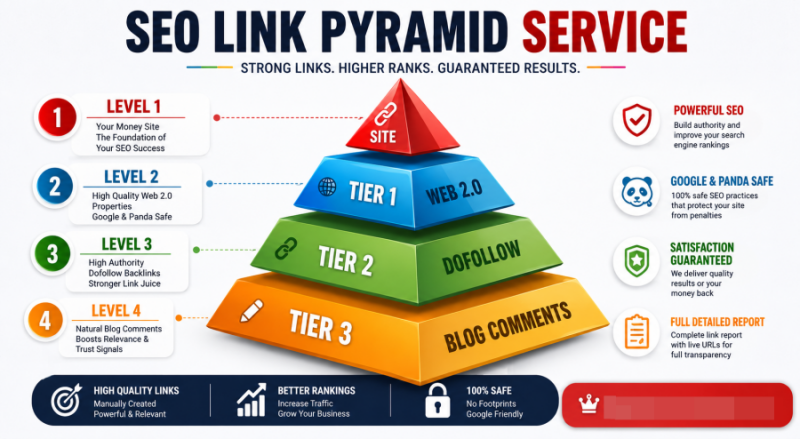
In the competitive world of search engine optimization (SEO), building a strong backlink profile is an important strategy for improving website visibility and organic traffic. One approach that attracts attention among SEO professionals is link pyramid backlinks. When planned carefully and implemented with a focus on quality, a link pyramid can help organize backlink development, strengthen link pathways, and support a website's long-term search engine optimization goals.
Understanding the positive aspects of link pyramid backlinks can help website owners, digital marketers, and SEO specialists make informed decisions about their link-building strategies.
What Are Link Pyramid Backlinks?
A link pyramid is a backlink structure that organizes links into multiple levels, often represented as a pyramid. The top level points directly to the target website, while lower levels contain links that point toward the backlinks in the levels above.
Traditionally, this structure has been used to distribute link authority through multiple layers. However, modern SEO requires a more careful approach. Search engines prioritize natural, relevant, and valuable links, so the benefits of a link pyramid depend on the quality of its components rather than simply the number of backlinks created.
When developed through legitimate content promotion, relevant industry resources, and genuine editorial links, a tiered linking structure can support a broader SEO strategy.
1. Improved Backlink Profile Organization
One of the primary positive aspects of link pyramid backlinks is their structured approach to link building. Instead of acquiring links without a clear plan, website owners can organize their backlink activities into distinct levels.
This structure makes it easier to identify which pages receive direct backlinks, which external resources support those pages, and where additional content promotion may be useful.
A well-organized backlink profile can simplify SEO reporting and help marketers evaluate the quality and relevance of their incoming links. It also encourages a more strategic approach to building relationships with publishers, bloggers, and industry websites.
2. Potential to Strengthen Link Authority
Backlinks remain an important part of how search engines discover and evaluate web pages. Links from relevant, trustworthy websites can help search engines understand a page's importance within its subject area.
A carefully developed link pyramid may support this process when its different levels consist of legitimate, useful content and genuine references. For example, an informative article published on an industry website might link to a valuable resource on a business website. Additional independent articles or relevant resource pages may reference that industry article.
These connections can improve content discovery and potentially help search engines understand relationships between resources.
It is important to remember that link equity is not automatically transferred in a predictable way through every tier. The value depends on factors such as link quality, relevance, crawlability, and search engine treatment.
3. Better Content Discovery and Indexing Opportunities
Another potential advantage of a well-planned link pyramid is improved content discovery. Search engines use links to find pages and navigate between resources across the web.
When useful content receives links from relevant websites, search engine crawlers may discover it more easily. This can be particularly helpful for new articles, supporting resources, and pages that receive limited internal navigation.
For example, a detailed guide promoted through reputable blogs, industry publications, and relevant resource pages may attract more attention than a page that receives no external references.
Although backlinks do not guarantee indexing, a natural network of relevant links can contribute to a website's overall discoverability.
4. Support for Targeted SEO Campaigns
Link pyramid backlinks can also provide a framework for organizing campaigns around specific topics, products, or landing pages.
A business targeting a competitive keyword can identify its most valuable content, seek relevant editorial backlinks, and promote supporting resources through appropriate channels.
This approach helps SEO teams align link acquisition with broader marketing objectives. Rather than focusing exclusively on backlink quantity, marketers can prioritize pages that offer genuine value to their audiences.
The result is a more measurable campaign with clearer goals, including referral traffic, improved content visibility, and stronger topical relevance.
5. Opportunities to Build Referral Traffic
A major benefit of quality backlinks is their ability to attract visitors directly from other websites. This is an advantage that extends beyond search engine rankings.
When supporting articles appear on relevant websites, readers may follow links to discover additional information, products, or services. These visitors can become subscribers, leads, or customers when the destination provides a useful and relevant experience.
A link-building strategy focused on real audiences can therefore contribute to brand awareness and website engagement, even when a backlink does not produce an immediate ranking improvement.
6. Greater Emphasis on Long-Term SEO Value
A sustainable link pyramid strategy encourages businesses to think about how their content and external relationships work together.
Publishing original research, creating comprehensive guides, contributing expert commentary, and earning editorial mentions can produce backlinks that remain valuable over time. These activities can also strengthen brand credibility and establish a website as a useful resource within its industry.
Rather than relying on automated link generation or large volumes of low-quality backlinks, businesses can build a foundation around relevant content and authentic online relationships.
Best Practices for Using Link Pyramid Backlinks
To maximize the potential benefits, prioritize quality over quantity. Choose relevant websites, create genuinely useful content, and avoid manipulative link schemes designed primarily to influence search rankings.
Google's spam policies warn against link spam, including automated link creation, excessive link exchanges, and the buying or selling of links intended to manipulate rankings. A tiered structure does not exempt a backlink strategy from these policies.
Use descriptive, natural anchor text, monitor your backlink profile, and measure results through referral traffic, organic search performance, and content engagement.
Link pyramid backlinks can offer organizational benefits, support content discovery, and create opportunities for referral traffic when built around legitimate, relevant resources. Their effectiveness depends on the quality of the links and the value they provide to users.
For sustainable SEO success, focus on earning trustworthy editorial backlinks, developing useful content, and maintaining a natural backlink profile. By combining thoughtful link organization with ethical link-building practices, businesses can strengthen their online presence and build a more resilient SEO strategy.
Add comment
Comments